

Preparing your equipment for winter: what to consider across your onboard systems
As temperatures drop and equipment enters periods of reduced use, it is worth reviewing how your power, reverse osmosis and climate control systems are prepared for the months ahead. Winter preparation is not just about protecting a generator against frost. Batteries, charging equipment, watermakers and air-conditioning systems all have their own maintenance and storage requirements. The right approach depends on the equipment, its installation and whether it will continue operating or remain unused for an extended period.
For marine vessels and specialist vehicles alike, a little planning can help protect equipment and make returning to service more straightforward.
Start with the manufacturer's guidance
Before carrying out any winter maintenance, check the operating manual and maintenance recommendations for each item of equipment. Some systems may need routine servicing, while others require specific measures before being switched off or placed into storage. Certain equipment may also need to remain powered or be stored within a specified temperature range. It is important not to assume that one procedure applies to every system, even where equipment serves a similar purpose.
Power generation: more than a routine service
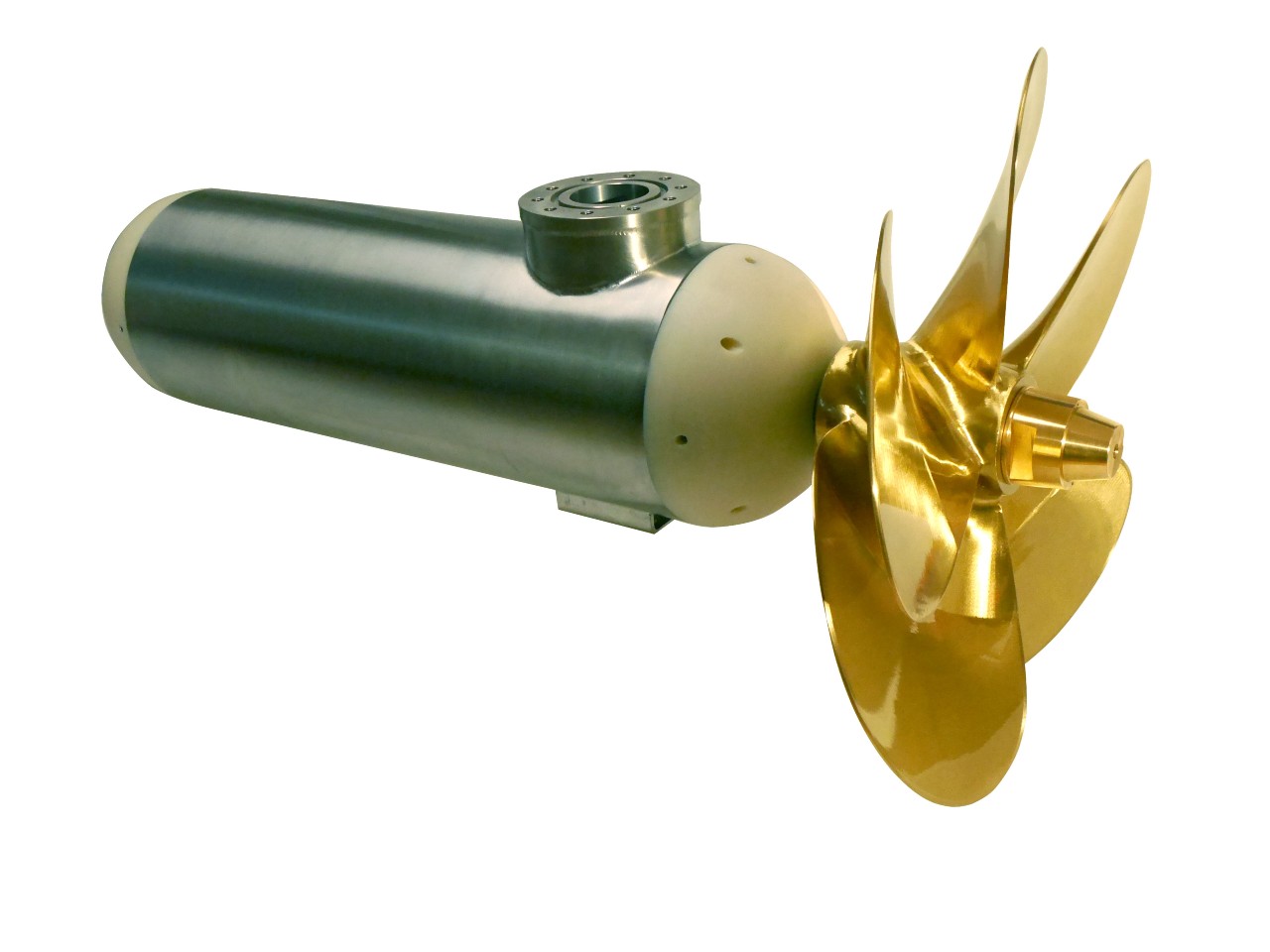
Generators can require particular attention before extended periods of inactivity, especially where cooling circuits, fuel systems and starting batteries are involved. Depending on the model and installation, winter preparation may include checking coolant protection, inspecting hoses and connections, addressing corrosion and following the manufacturer's instructions for fuel system care and storage. Where a generator uses a raw-water cooling circuit, the recommended procedure will differ from that for a closed-circuit or vehicle installation. These distinctions matter, so always follow the guidance for the specific unit. It is also worth reviewing service intervals and arranging any required maintenance before the equipment is needed again.
Batteries, charging and power management
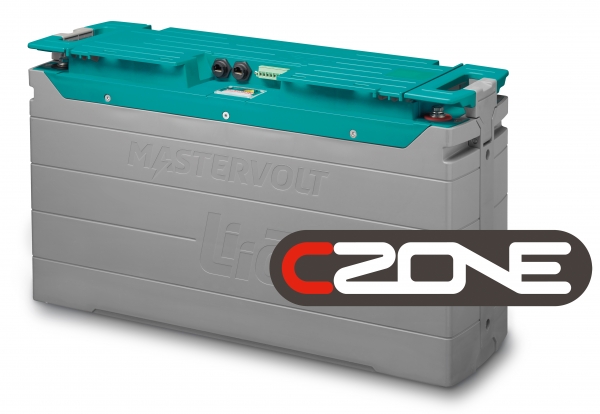
Battery systems deserve attention during periods of reduced use. Batteries can self-discharge even when equipment is switched off and prolonged discharge can cause damage. Review the battery manufacturer's recommendations for charging, monitoring and storage. Consider how the batteries will be maintained while the vessel or vehicle is unused and whether connected equipment continues to draw power when it is not in active use. Charging equipment, inverters and power management systems should also be considered as part of the wider installation. Check for visible damage, corrosion or loose connections and make sure any required inspections or servicing are arranged. For systems incorporating lithium batteries, follow the specific manufacturer's guidance on permitted storage temperatures, charging conditions and battery management.
Watermakers: protect the system when it is not in use
Reverse osmosis watermakers need particular care during periods of inactivity. The membranes and associated components must be maintained in accordance with the manufacturer's storage and preservation requirements. Depending on the system and anticipated downtime, this may involve a prescribed flushing or preservation procedure. The correct method, products and storage conditions vary between manufacturers and models. It is important not to leave preservation until the last minute. If a watermaker will not be used for an extended period, consult its manual or technical support team to establish the appropriate procedure and timing.
Climate control: heating and air-conditioning
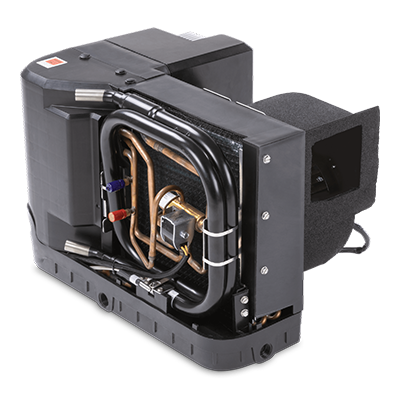
Marine and vehicle climate control systems can also benefit from a seasonal review. Inspect accessible air filters, air intakes and outlets, and check for visible signs of damage or obstruction. Condensation management, drainage and the condition of accessible hoses and connections may also be relevant, depending on the installation. If a system is expected to remain unused, check whether the manufacturer recommends any particular shutdown, storage or periodic operation procedure. Some systems may continue to serve a useful purpose during colder months, particularly where heating or humidity control is required.
Fuel cells and other auxiliary power systems
Not all auxiliary power equipment follows the same winter routine. For example, EFOY fuel cells have their own requirements for cold-weather operation and storage. Depending on the model and how long the equipment will be unused, the recommended approach may involve maintaining the system in operation or removing it for suitable storage. Always check the relevant product guidance before making changes to its power supply, fuel supply or storage arrangements.
Marine vessels and specialist vehicles: consider the whole installation
The operating environment can make a significant difference to winter preparation. A boat laid up ashore has different requirements from one remaining afloat and in regular use. Likewise, a specialist vehicle that operates throughout the winter needs a different approach from one parked for several months. Consider the complete installation, including power generation, batteries, charging, electrical distribution, water production and climate control. A decision affecting one component may have implications for other parts of the system. Where equipment is interconnected, it is worth reviewing the relevant instructions together rather than treating each item in isolation.
Plan ahead for a smoother return to service
Winter preparation is also an opportunity to review service requirements, identify any work that needs arranging and check whether replacement parts or consumables will be required. If equipment needs professional attention, allow time to coordinate the work and source the correct parts. This is particularly useful where several systems are involved or maintenance needs to fit around a wider refit programme. At Fischer Panda UK | Power Solutions, we work across onboard power generation, electrical power management, watermakers and climate control, supporting marine and specialist vehicle applications. Whether you are preparing equipment for storage or planning maintenance ahead of the next season, our team can help with technical queries and the next steps for your installation.
Need advice on preparing your equipment for winter? Get in touch with our team to discuss your system and its requirements.